
SINGLE REVIEW: The Depression Club – Help Myself (Alternative Version)
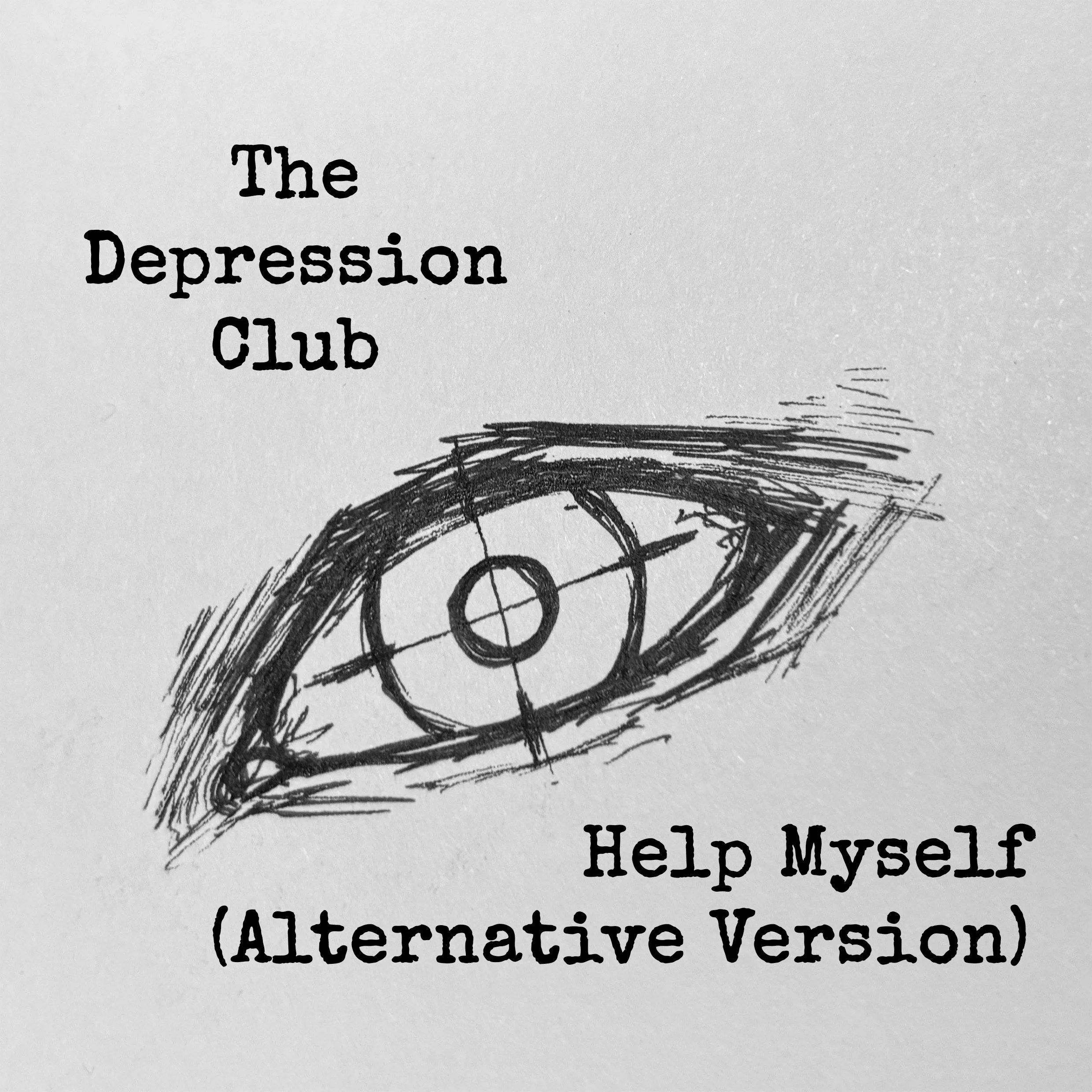
The Depression Club have reimagined 'Help Myself (To You)' into something entirely new—shedding its buoyant rock ‘n’ roll drive for an emotionally raw, stripped-back take that shifts the song’s focus from sound to meaning. Gone are the infectious, danceable garage rock rhythms of the original. In their place, a dark, uneasy atmosphere settles, draped in post-rock textures, sparse instrumentation, and brooding melancholy.
The a cappella introduction remains, but here it feels more vulnerable, almost fragile, carrying an artistic weight that lands with aching sincerity. When the instrumentation comes in, it’s off-kilter, ad-libbed, coated in gritty reverb, never quite settling until it sinks into its plodding, subdued pace. Instead of leading with sheer energy, the song now explores the quiet desperation of wanting change but feeling trapped, letting its unease linger rather than forcing forward momentum.
It’s an emotionally charged transformation—the kind of reinvention that doesn’t just adjust the arrangement but alters the song’s entire perspective. The stripped-down approach pushes the lyrics forward, making them the song’s driving force rather than an element woven into the sound. Whereas the original thrived on DIY garage-rock urgency, this version pulls everything inward, forcing listeners to sit with the weight of its meaning.
The shift toward the end brings a striking contrast. The full band explodes in, momentarily screaming into the ether, delivering a moment of near catharsis—only for the track to collapse back into swirling desolation, leaving its final notes hanging in the air. It’s a powerful closing move, cementing the song’s new tone with an almost haunting finality.
Where the first version pulsed with vibrant energy, this alternative version feels restrained, yet no less intense. It proves just how adaptable a song can be when framed differently—taking the same bones but reshaping the emotional core into something unrecognisably new. The Depression Club have completely reinvented their own work, leaning into uncertainty, texture, and atmosphere—and it works beautifully.